

Key Components of Digital Transformation Attracting Investors
The COVID-19 pandemic negatively affected many industries, but it accelerated growth in the technology sector as businesses and consumers relied on digital solutions to adapt to new ways of living and working. As a result, collaboration and investment activity surged, strengthening many companies beyond their pre-crisis position.
According to 451 Research, global technology M&A transactions surpassed $600 billion in 2020, reaching their highest level since the dot-com crash. During the same year, the S&P 500 technology index rose by nearly 42%, compared with a 16% increase for the broader market. Market observers expected this momentum to continue into 2026.
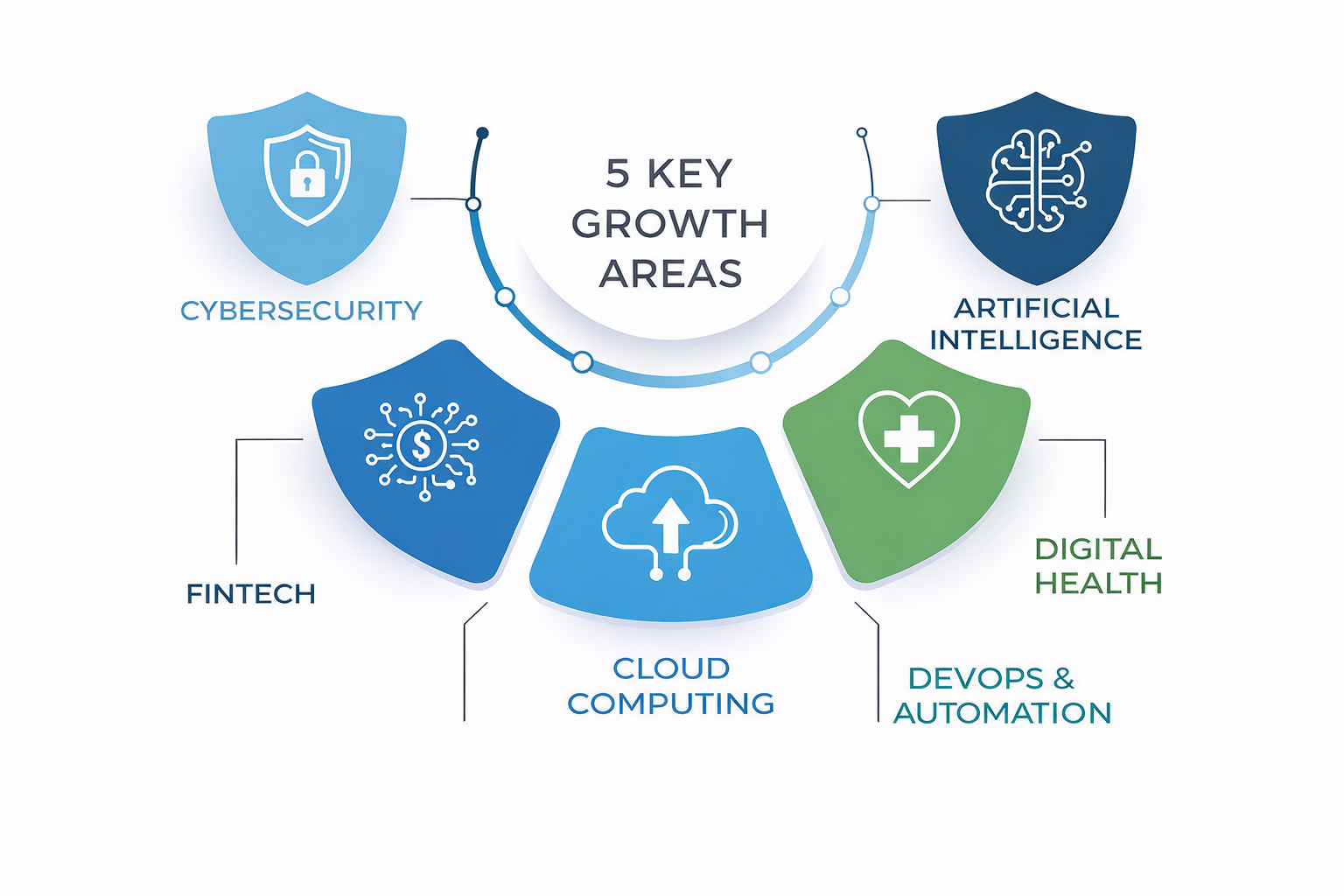
Drawing from lessons learned during the pandemic, businesses increasingly adopted technology to better understand operations, anticipate demand fluctuations, and respond quickly to changing conditions. Venture capital firms, private equity investors, and corporations followed suit to stay competitive. Based on discussions with investors and market research, the following technology areas have attracted significant investment interest as drivers of Digital Transformation.
Data Analytics and Artificial Intelligence
Over the past decade, information technology has experienced significant growth, with artificial intelligence emerging as a key driver of innovation. Once regarded as a buzzword, AI has become an essential business resource. Organizations across industries such as retail, healthcare, and financial services are increasingly adopting AI to obtain real-time data insights, enhance decision-making, and uncover new opportunities. Despite the challenges brought by the pandemic, investment in artificial intelligence continues to increase.
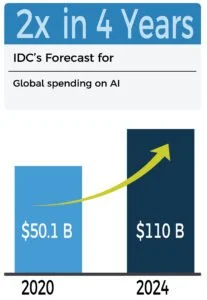
In 2020, major private equity firms increased their investments, while large corporations acquired innovative smaller companies to strengthen their artificial intelligence capabilities. Key transactions included the acquisition of Inawisdom, a UK-based firm specializing in machine learning and AI, by Cognizant, as well as the purchase of Compact Solutions, an automated data governance company, by Informatica.
Salesforce’s Capabilities
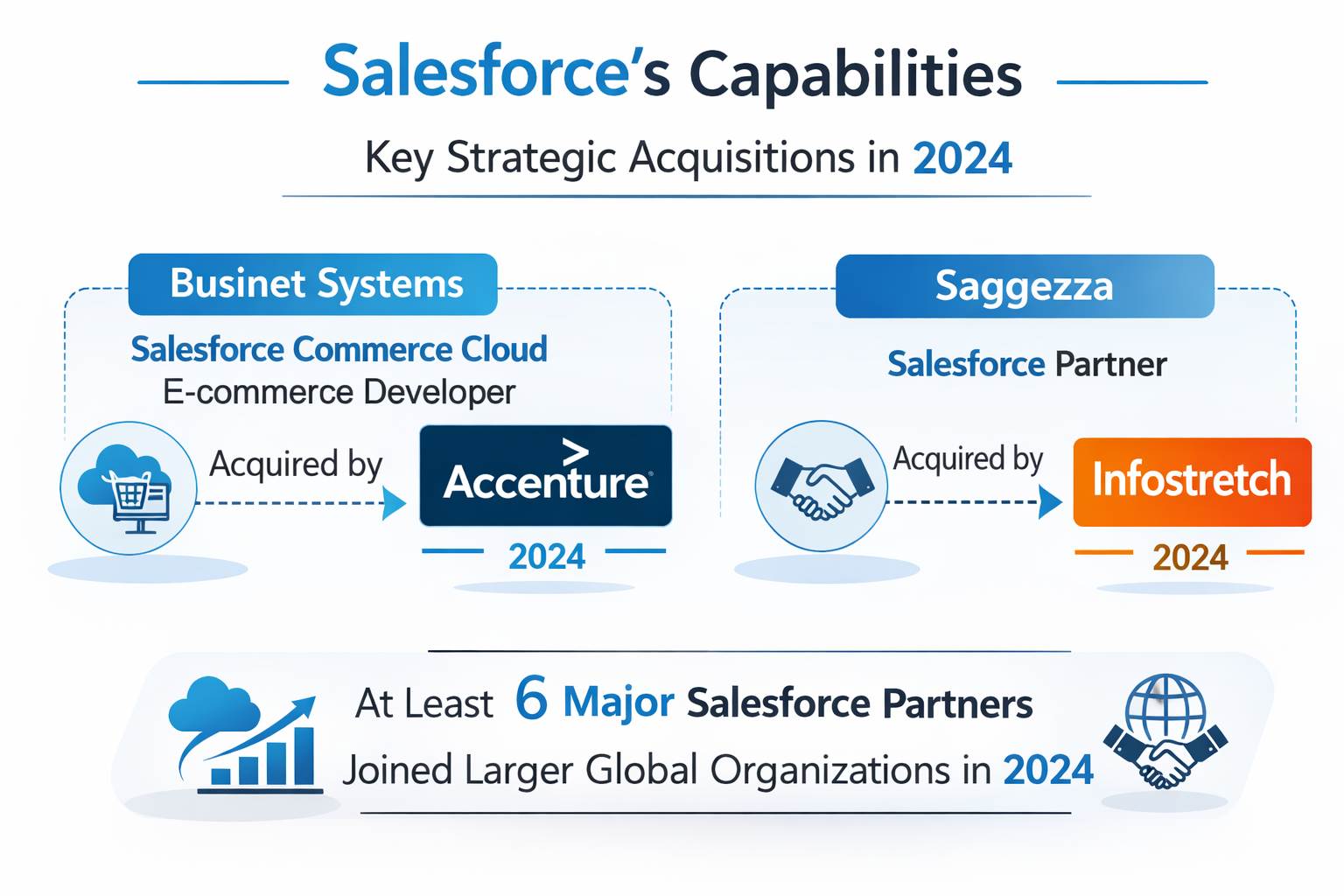
Rising interest in the Salesforce ecosystem has sparked increased merger and investment activity among its partner network, attracting professional services firms, IT consultancies, and private equity investors. This momentum is largely driven by demand for cloud-based technologies in marketing, sales automation, and customer analytics—segments in which Salesforce maintains a strong market position. Within the first few months of the year alone, at least six major Salesforce partners joined forces with larger global organizations to enhance scale and broaden capabilities.
Key strategic transactions include the acquisition of Businet Systems, a Salesforce Commerce Cloud e-commerce developer, by Accenture, as well as the purchase of Salesforce partner Saggezza by Infostretch.
Cloud-Based Technologies
The need for cloud modernization and IT automation has increased due to the pandemic-driven remote working environment, prompting businesses to make additional expenditures in the field. In addition, additional technologies like Big Data, AI, Machine Learning, 5G, IoT, etc., depend on the cloud. As a result, as more and more companies move their operations to the cloud, investments in cloud computing startups have increased since 2020.
A Series A funding round led by Blossom Capital raised $6 million for Spacelift, a company focused on simplifying cloud infrastructure management.
Salesforce invested $15 million in Darwinbox.
Amazon Web Services and other investors provided $36 million in funding to Weaveworks.
Consumer Experience
Customer experience has become a top priority for many companies and a key way to differentiate themselves from competitors. To remain competitive, software providers must address the growing demand for highly personalized user experiences.
According to McKinsey & Company, customer-experience leaders now need to drive long-term shifts in consumer behavior accelerated by recent disruptions. Tracking changing preferences in real time and rapidly innovating will be essential to redesign important customer journeys in a new environment.
Many organizations have recognized this importance and are investing accordingly:
Customer support platform Gorgias is raising $25 million in Series B funding.
Accenture acquired customer-experience specialist Maihiro, an SAP partner.
Digital experience analytics company Glassbox raised $40 million in a round led by Brighton Park Capital.
Security of Containers
A container can run anything from a small software process or microservice to a large, full-scale application. If even one container is compromised, it can affect the host operating system and potentially expose the entire environment along with every other container running on it. Despite developers rapidly adopting containerization in recent years, security practices have not always advanced at the same pace.
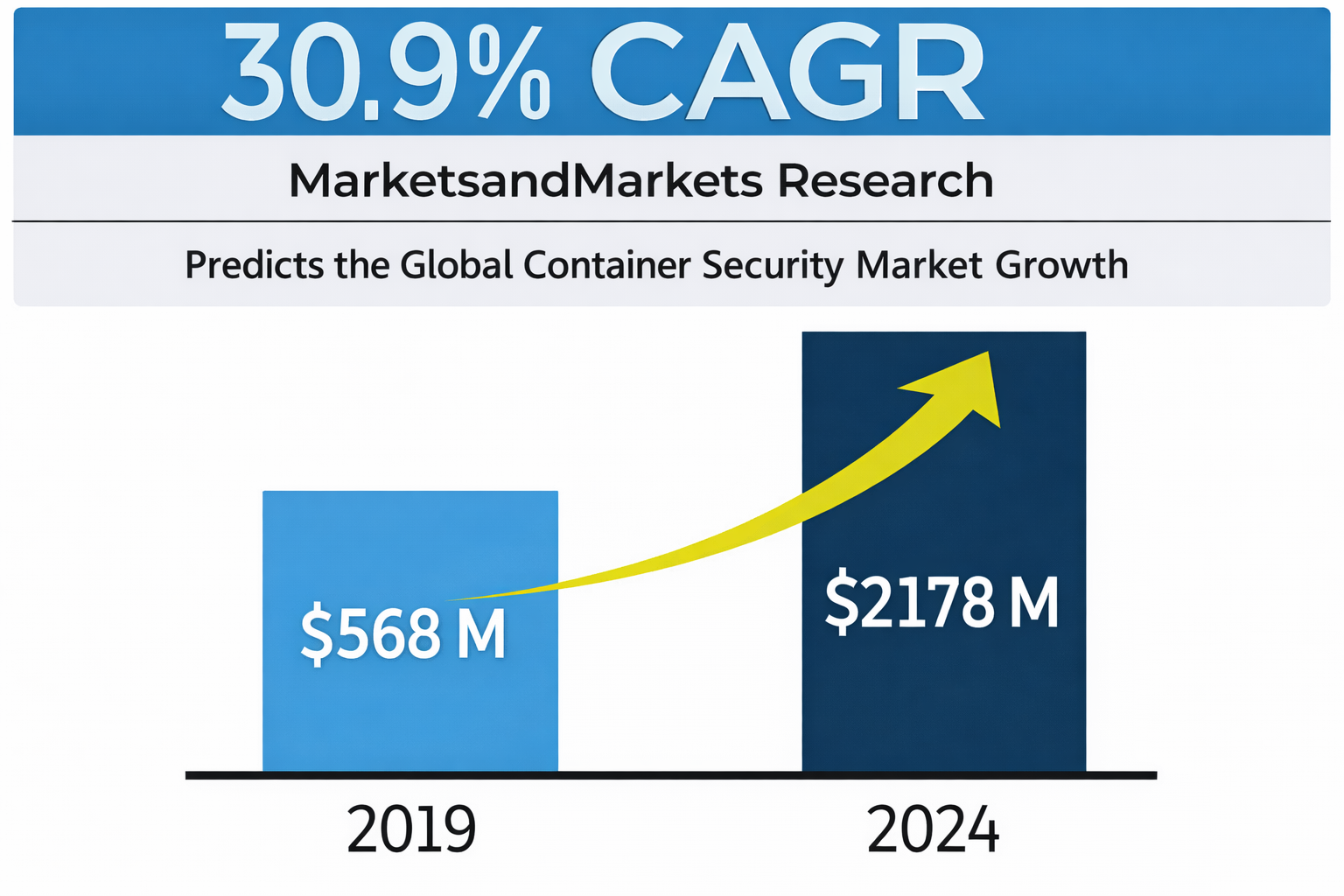
Activity in this area has intensified, with experts expecting further consolidation. Recent examples include:
Rapid7 acquiring Kubernetes security startup Alcide .
Cisco purchasing PortShift.
Red Hat announcing the acquisition of container security firm StackRox.
Companies that rapidly embraced digital transformation during the pandemic—from retail and banking to telecommunications and industrial sectors—have generally outperformed peers and achieved stronger growth. Each of these technology pillars continues to draw significant investor attention, with strategic investments, partnerships, and mergers being used to close capability gaps.
Looking ahead, digitally mature organizations are expected to combine strategic investments and acquisitions to accelerate expansion and maintain long-term competitive advantages.